MSRP vs Invoice vs Sale Price: What a Good New-Car Deal Looks Like
By FinAutoCheck Team · · 5 min read
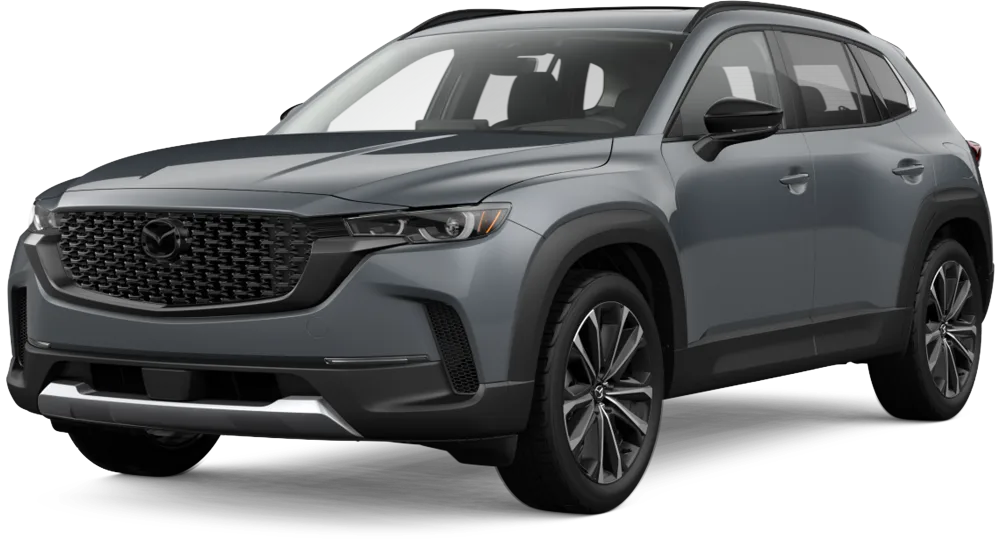
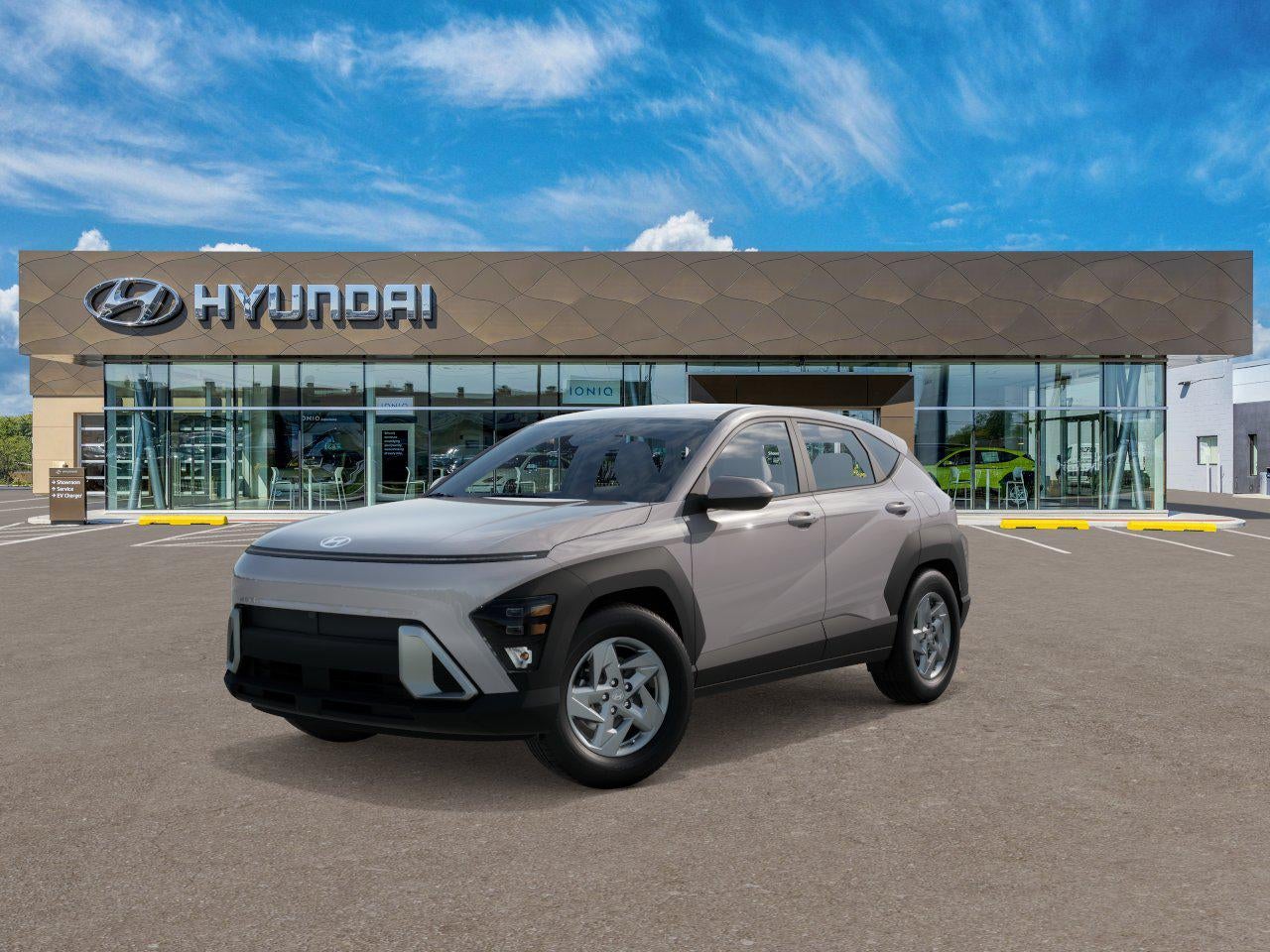
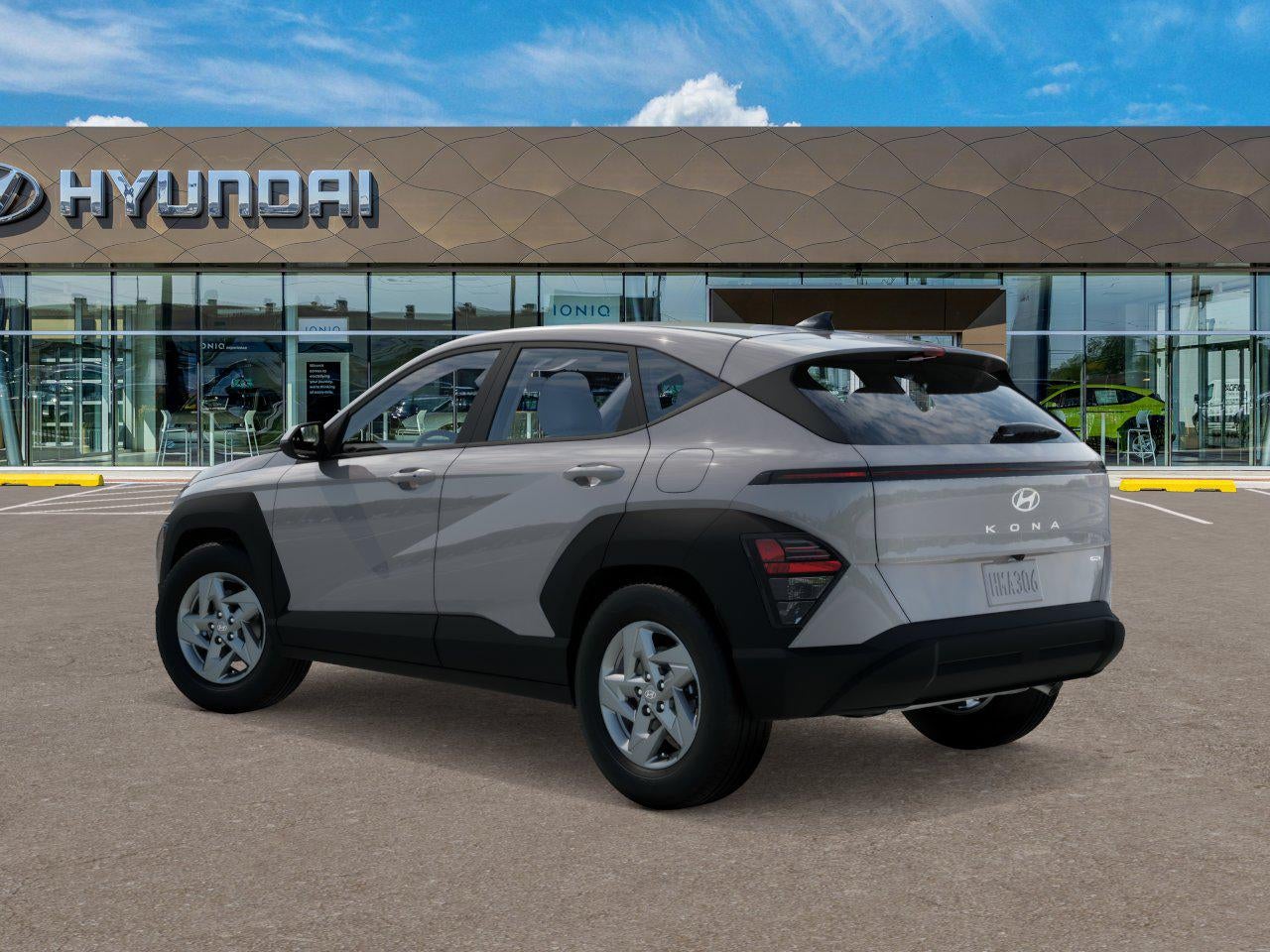
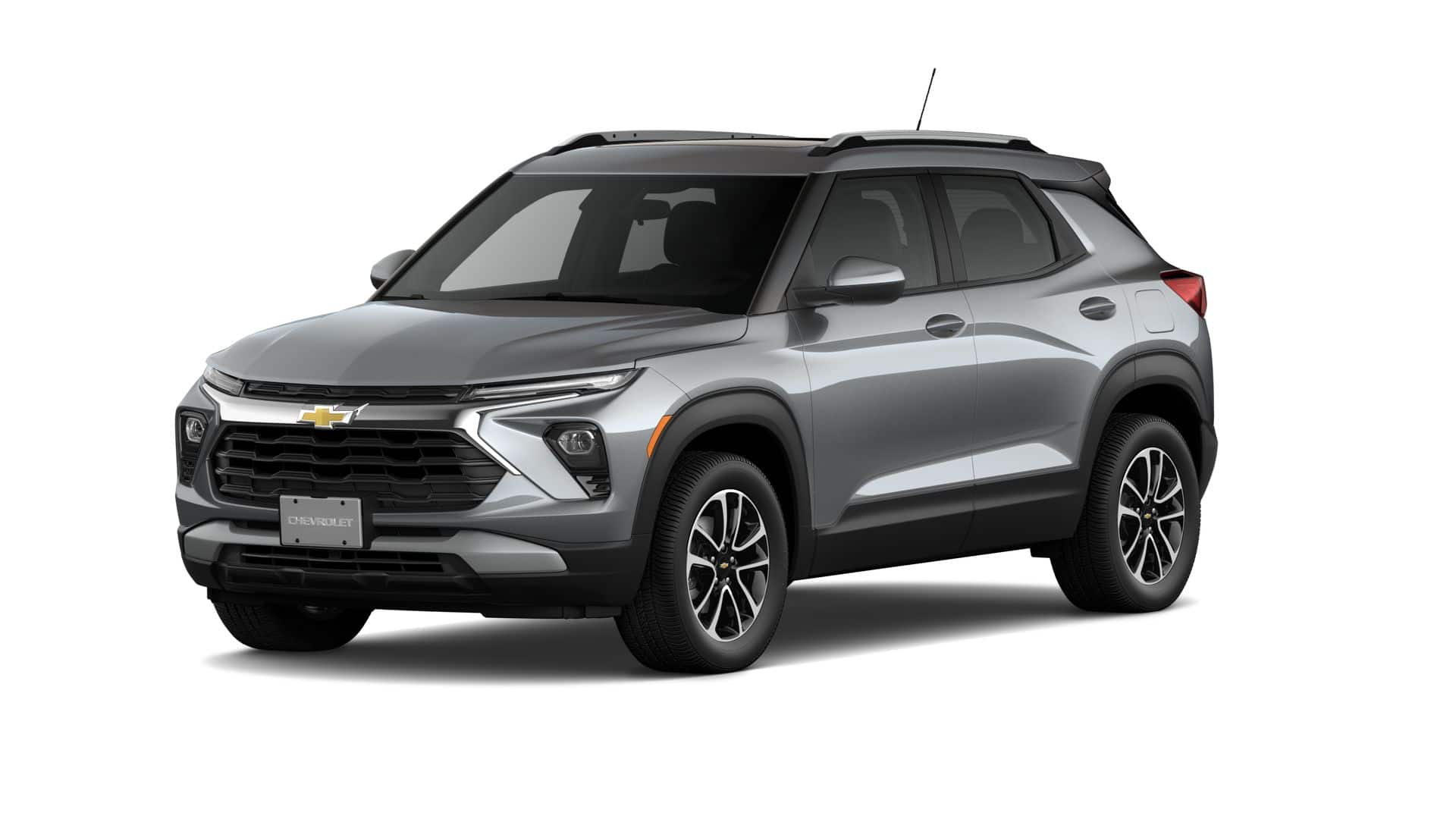
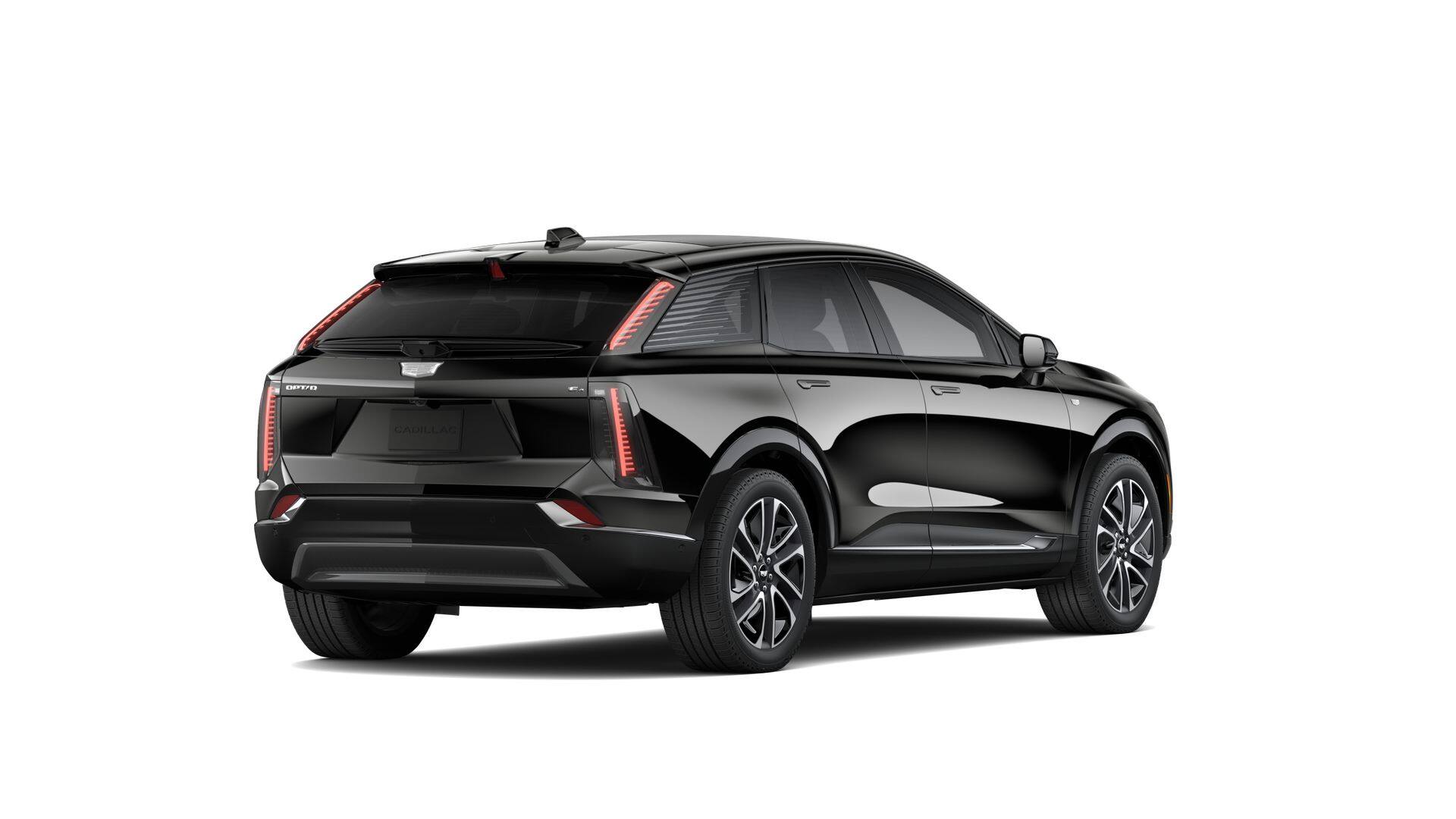
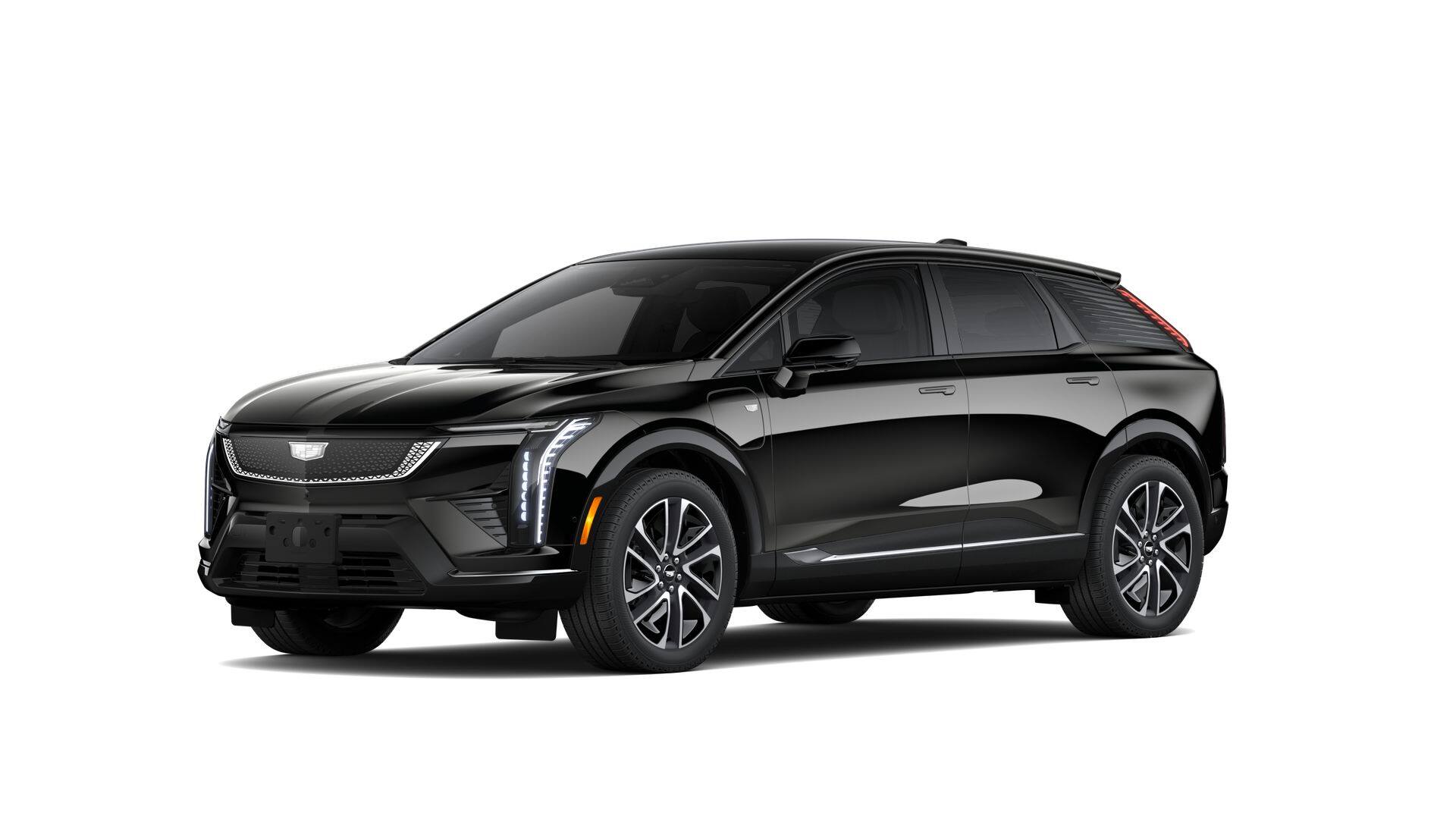
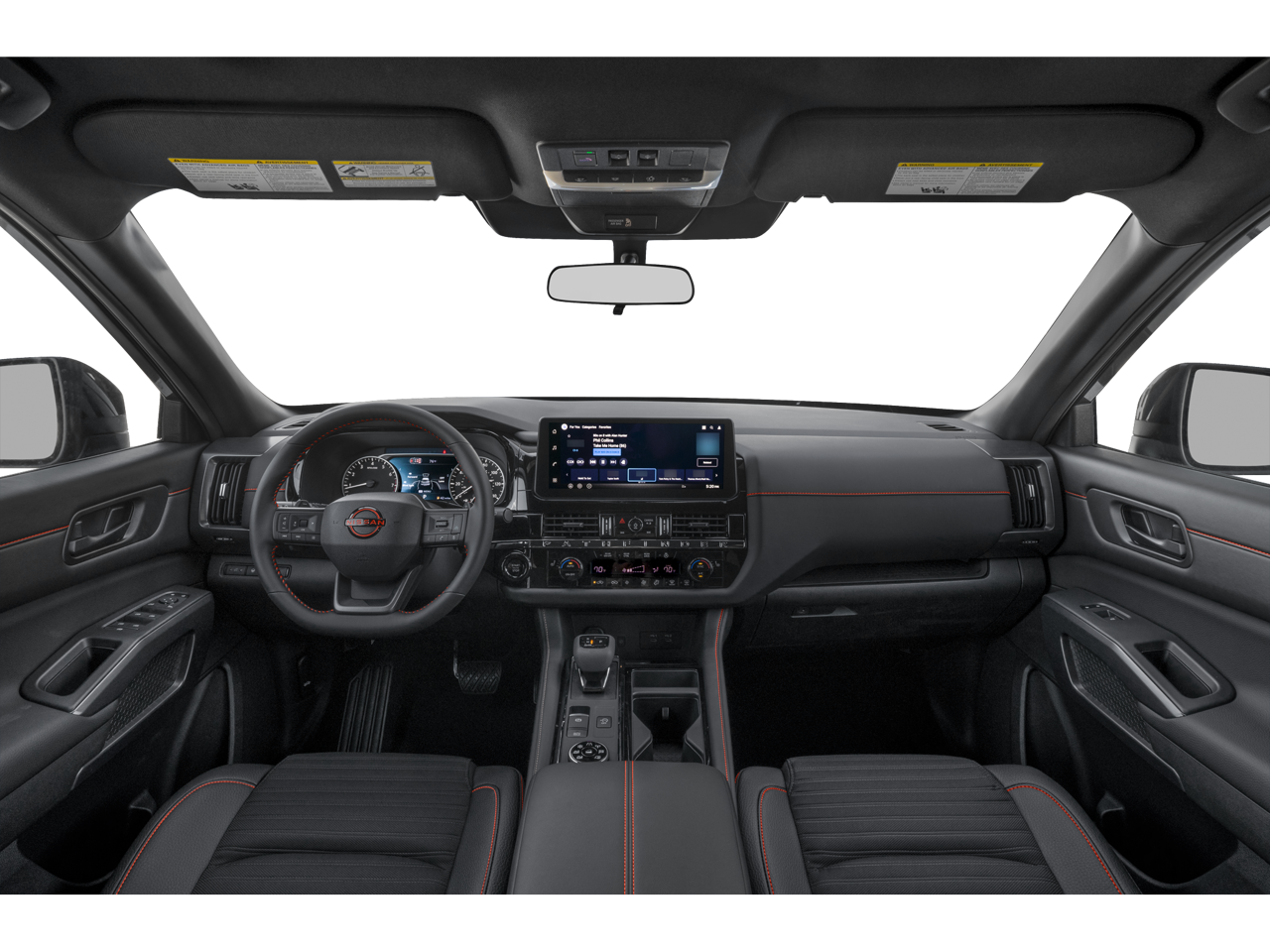
Example window sticker
MSRP $40,000
Sale price $38,500
Short answer
MSRP is the price the manufacturer suggests and prints on the window sticker. Invoice is what the manufacturer bills the dealer, and the dealer's real cost is often lower. The sale price is what the dealer actually asks you to pay. A good deal is a sale price below MSRP for the same car, with the full out-the-door total in writing.
On this page
Every new car has at least three prices attached to it, and they are easy to mix up. Knowing which is which tells you where a dealer has room to move and where it doesn't.
What is MSRP?
MSRP stands for manufacturer's suggested retail price. It is set by the carmaker, not the dealer, and it is printed on the window sticker that federal law requires on every new car. That sticker, often called the Monroney label, lists the base price, each factory-installed option with its price, and the destination charge for shipping the car to the dealer.
The word that matters is suggested. A dealer can sell below MSRP, at MSRP or, on cars in short supply, above it. When a dealer asks for more than MSRP it is usually labelled a market adjustment or an added dealer markup, and it shows up on a second sticker next to the official one.
What is the invoice price?
The invoice price is what the manufacturer bills the dealer for the car. It is lower than MSRP, and the gap between the two is the dealer's starting margin.
Invoice is not the same as the dealer's real cost. Manufacturers often pay dealers a holdback, a small amount returned after the car is sold, and they run dealer incentives that shoppers never see. So a dealer selling at invoice can still make money on the car. Treat invoice as a reference point, not a floor.
What is the sale price?
The sale price is what the dealer actually asks for the car. It is the number in the dealer's ad or online listing, and it is the price you negotiate from. On most new cars it sits somewhere between invoice and MSRP. On popular models it can match MSRP or go above it.
The sale price is still not what you pay. Sales tax, registration and title fees, and any dealer fees come on top. Manufacturer rebates, if you qualify for them, can come off. The total after all of that is the out-the-door price.
| Price | Who sets it | Example | What it tells you |
|---|---|---|---|
| MSRP | Manufacturer | $40,000 | The sticker price, including options and destination |
| Sale price | Dealer | $38,500 | What this dealer asks: $1,500 below MSRP |
| Invoice | Manufacturer, billed to the dealer | $37,600 | Roughly where the dealer's margin starts |
| Out-the-door | Sale price plus tax and fees, minus rebates | Depends on your ZIP and rebates | What you actually pay |
Which price do you actually pay?
You pay the sale price you agree on, plus taxes and fees, minus any rebates applied at signing. That is why two dealers advertising the same sale price can end up with different totals: one may add higher fees or dealer-installed accessories.
If you finance, the price is only half of the cost. The APR and the loan term decide how much interest you pay on top. A slightly higher price with a much lower APR can cost less overall than a lower price with a high APR.
How do you tell if a new-car price is a good deal?
- Compare the sale price with MSRP for the exact same trim and options. A sale price below MSRP is a discount; one above MSRP is a markup.
- Check for add-ons. Look for a dealer sticker with accessories, protection packages or a market adjustment, and ask for them to be removed if you don't want them.
- Ask for the out-the-door price in writing, with every tax and fee listed, before you agree to anything.
- Check which manufacturer rebates you qualify for, and whether any of them rule out a special APR offer.
- Compare the financing, not just the monthly payment: the APR, the term in months and the total you will pay over the loan.
- Compare the same car at more than one dealer. Prices on identical cars often differ by hundreds or thousands of dollars.
How does FinAutoCheck show prices?
On every FinAutoCheck listing, the MSRP is shown struck through next to the dealer's advertised price, and a tag shows how far below MSRP that price is. The price you see is the dealer's own advertised price.
Manufacturer rebates are listed on the car but are not subtracted from the price or from the monthly estimate, because eligibility differs from buyer to buyer and some rebates cannot be combined with special financing. The monthly estimate adds sales tax for your ZIP code and an estimated registration fee, so it is closer to what you would really pay than the price alone.
Frequently asked questions
Is the invoice price what the dealer paid for the car?
Not exactly. Invoice is what the manufacturer bills the dealer, but holdback and dealer incentives usually bring the dealer's real cost below invoice. That is why a dealer can sell at invoice and still make money.
Can a dealer charge more than MSRP?
Yes. MSRP is a suggested price. On cars in short supply some dealers add a market adjustment or other markup. You can ask for it to be removed or buy the same car from another dealer.
Is the destination charge negotiable?
Usually not. The destination charge is set by the manufacturer, listed on the window sticker and passed on by every dealer that sells the car.
Why doesn't FinAutoCheck subtract rebates from the price?
Rebate eligibility depends on the buyer, and some rebates cannot be combined with special APR offers. Showing them separately keeps the listed price equal to the dealer's own advertised price.
Does the price on a listing include tax and fees?
No. The listed price is the dealer's price before tax and fees. The monthly estimate on each car adds sales tax for your ZIP code and an estimated registration fee.
Keep going
Sources
This guide is general information, not financial, legal or tax advice. Prices, rates and incentives change; check the current terms with the dealer and lender before you sign.

 Available